- CYPE >
- на български >
- Начало |
- Какво е CYPE |
- Нововъведения |
- Продукти |
- Версии |
- Изтегляне |
- Контакти

- |
- CYPE >
- Продукти >
- CYPECAD
- > Свързани програми


Надеждни конструкции, прецизни чертежи
CYPECAD беше създадена за изчисляване и оразмеряване на стоманобетонни и метални конструкции, подложени на хоризонтални и вертикални въздействия за жилищни и обществени сгради, съоръжения и инфраструктури.
Използването на CYPECAD гарантира максимална надеждност на изчислението и отличен дизайн на чертежите, включвайки следните елементи:
- Плочи
- Греди
- Вертикални елементи
- Стълби
- Основи
- Основни данни
- Въвеждане на данни (Геометрия на конструкцията)
- Интегрирани 3Д конструкции. Обединението на CYPECAD с Метал 3D
- Изчисление
- Износ към TEKLA® Structures, TecnoMETAL® 4D и CIS/2
- Резултати
- Чертежи
- Записки
- Генериране и експорт на спецификации и бюджет на изчислената в CYPECAD конструкция
- Отличителни характеристики на CYPECAD
- Версии и модули на CYPECAD
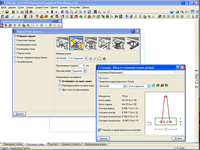
Еднопосочните плочи могат да бъдат с бетонови ребра (по избор на потребителя), сглобяеми стоманобетонни, сглобяеми предварително напрегнати, монолитни, метални (T и двойно T профили) и фермови метални профили. За всички тях си изчислява провисване.
Разглеждат се също плътни плочи, касетирани, от олекотени панели (кръгово цилиндрични отвори) и комбинирани плочи (съдействаща ламарина).
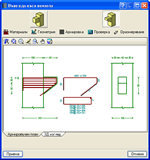
Гредите на плочите могат да бъдат от бетон, метални (с пълно или стебло с отвори) и комбинирани. Освен това, могат да се въвеждат къси конзоли.
Вертикални конструктивни елементи
Колоните могат да бъдат стоманобетонни с правоъгълно или кръгло сечение или метални.
Шайбите могат да бъдат правоъгълни или да приемат в план произволна форма съставена от правоъгълници.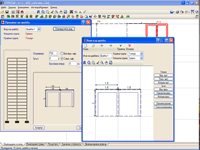
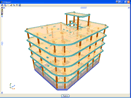
Стените могат да поемат земен натиск или не и е възможно да се използват стоманобетонни стени, определени от потребителя тухлени зидарии и стени от бетонови блокчета армирани или не (размери на блокчетата въведени от потребителя или от производители, като NORMABLOC Asociación Nacional de Fabricantes de Bloques y Mampostería de Hormigón).
 |
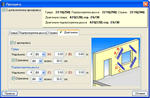 |
Стените могат да имат отвори. Програмата изчислява необходимата допълнителна армировка за отворите на стоманобетонните стени (щурц, долно и странично усилване и диагонали) и армировката на щурца, когато отворите са в стени от бетонови блокчета. Също така може да се получат записките с направените проверки на тази армировка на работния плот и от принтера.
Изчислява се също завършващата греда за всички видове стени и междинната греда на ниво етаж в определените от потребителя тухлени стени и стените от бетонови блокчета.
CYPECAD изчислява и оразмерява армировка за стълби, като изолирани елементи на конструкцията. Спрямо геометрията, вида и разположението на опорите и приложените гравитационни товари, програмата определя реакциите върху основната конструкция, които се изразяват в линейно и разпределени по площ товари (за началните добавени стъпала) в съчетанията от постоянни и експлоатационни товари.
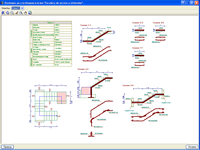
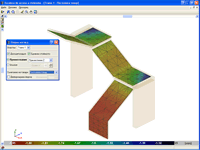
Програмата изчислява стълби по метода на крайните елементи, приемайки двете обичайни съчетания: постоянни товари и експлоатационни товари.
CYPECAD показва на работния плот армировката на всяко едно от рамената, които оформят стълбищната клетка. Възможно е също да се прегледат триизмерно преместванията, усилията и да се онагледи деформираната форма на всеки участък.
Основите могат да бъдат твърди (от фундаменти или пилотни възглавници) или плаващи (от фундаментни греди и плочи, дефинирайки еластичния модул на почвата при прилагането на теорията на Winkler).
Може да се изчислят само основите, ако се въведат единствено началата (фусовете) на колоните.
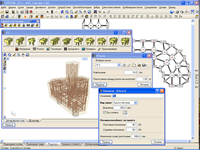 Единичните фундаменти и
комбинираните, които могат да бъдат от стоманобетон или
от масов бетон, дават възможност да се фундират няколко
опори.
Единичните фундаменти и
комбинираните, които могат да бъдат от стоманобетон или
от масов бетон, дават възможност да се фундират няколко
опори.
Пилотните възглавници могат да обхващат няколко броя пилоти. Тяхната типология е много обширна:


 Правоъгълни
пилотни фундаменти за един, два, четири и пет пилоти
Правоъгълни
пилотни фундаменти за един, два, четири и пет пилоти
-
 Триъгълни
пилотни фундаменти за три пилоти
Триъгълни
пилотни фундаменти за три пилоти -
 Ивични
пилотни фундаменти за от три до тридесет пилоти
Ивични
пилотни фундаменти за от три до тридесет пилоти  Правоъгълни
пилотни фундаменти за много пилоти (клетъчно разпределение от три до
тридесет пилоти)
Правоъгълни
пилотни фундаменти за много пилоти (клетъчно разпределение от три до
тридесет пилоти)
 Петоъгълни
пилотни фундаменти за пет и шест пилоти
Петоъгълни
пилотни фундаменти за пет и шест пилоти
 Шестоъгълни
пилотни фундаменти за шест и седем пилоти
Шестоъгълни
пилотни фундаменти за шест и седем пилоти
Както фундаментите, така и пилотните възглавници позволяват няколко колони и шайби със свободно разположение върху един и същ елемент от основите.
Гредоскарите също въздействат върху пилотните възглавници а ивичните греди ги укрепват.
Изчислява базова плочка за произволно разположение на метална колона (единични и съставни профили).
Избират се въздействията от вятър и земетръс (модален спектрален анализ), избирайки характеристиките съгласно предписанията на нормата. И в двата случая може да се избере отчитане на ефекти от втори ред (P-delta).
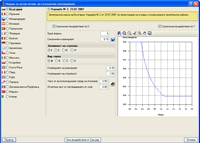 Предлага
се свободен избор на броя съчетания. Линейни,
разпределени по площ и концентрирани товари, с произволно разположение.
Предлага
се свободен избор на броя съчетания. Линейни,
разпределени по площ и концентрирани товари, с произволно разположение.
Програмата генерира автоматично коя да е комбинация от съчетания, дефинирана от потребителя, съобразно посочените предпоставки (съвместими, несъвместими или едновременни). Например, автоматично се генерира комбинацията, съответстваща на едно състояние на товарите съставено от един избран от потребителят експлоатационен товар и въздействието от един автомобилен товар с различно разположение. Разположенията на автомобилния товар са несъвместими по между си, но всяко едно от тях е съвместимо с избрания от потребителят експлоатационен товар и с останалите съчетания с различен произход.
Потребителят също дефинира собствени ситуации на проекта за да обособи комбинациите, които ще се приложат в съответните изчисления на конструктивните елементи на сградата.
Адаптиран е към националните и интернационални норми.
CYPECAD разполага с многобройни опции за изчислението, с обяснения и графики на работния плот, за персонализация на анализа, изчислението и армирането чрез таблици.
Въвеждане на данни. (Геометрия на конструкцията)
Въвеждането на геометрията на една задача в CYPECAD се извършва прозорците съдържащи плановете на различните етажи на конструкцията, по същия начин по който се онагледяват чертежите на задачата, изключвайки по този начин въвеждането на данни в триизмерен изглед, което е по-сложно.
Със CYPECAD може да въведете данните на една конструкция по три различни начина:
- Автоматично въвеждане на задачи: DXF, DWG и модели CAD/BIM.
Модулът Автоматично въвеждане на задачи: DXF, DWG и модели CAD/BIM на CYPECAD разполага с две опции, които са замислени за автоматично генериране на конструкцията, използвайки информацията от следните видове файлове:
- Въвеждане на файлове с формат IFC, генерирани от програми
CAD/BIM
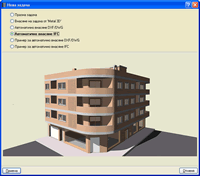
С опцията Автоматично въвеждане на IFC, модулът Автоматично въвеждане на задачи: DXF, DWG и модели CAD/BIM позволява в CYPECAD да се внасят файловете с формат IFC, генерирани от основните CAD/BIM програми (Allplan®, Archicad®, Revit® Architecture). Посредством асистент, потребителят приема и попълва информацията, извлечена от IFC файла, след което автоматично се генерират следните конструктивни елементи:
- Разпределение на колони
- Мъртви товари и експлоатационни на етажите
- Колони
- Греди по външния периметър и по вътрешните отвори
- Линейни товари от прегради и фасади
- Шаблони с разпределението на всеки етаж
- Интерпретация на информацията от DXF или DWG файлове
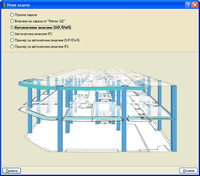
С опцията Автоматично въвеждане на DXF, DWG на модула Автоматично въвеждане на задачи: DXF, DWG и модели CAD/BIM, потребителят посочва предпоставки и допълва асистирано серия данни, които дават възможност на програмата интерпретира DXF и DWG файловете за да се генерира автоматично конструкцията на задачата:
- Разпределение на етажите
- Мъртви товари и експлоатационни на етажите
- Колони
- Греди по външния периметър и по вътрешните отвори
- Въвеждане на файлове с формат IFC, генерирани от програми
CAD/BIM
- С помощта на DXF или DWG файлове, използвани като подложки:
Може да въведете вертикалните конструктивни елементи и гредите на конструкцията, помагайки си с чертеж в DXF или DWG формат. В тази разновидност е възможно да се използва прихващането на елементите от чертежа във DXF или DWG формат, така че да се уточни разположението им в тези файлове с една максимална точност до милиметър. - Въвеждане по координати главни или относителни.
Също така програмата дава възможност за въвеждане на колони и греди по координати спрямо координатното начало или коя да е друга точка.
При въвеждането на една конструкция могат да се комбинират, според случая, коя да е от трите споменати разновидности:
- Автоматично въвеждане на задачи (чрез внос на IFC файлове или интерпретирайки DXF и DWG файлове).
- С помощ на DXF и DWG, използвани като шаблони.
- По координати главни или относителни.
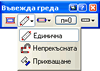 Управлението
на греди, дава възможност те да бъдат прави
или дъговидни и въвеждането им да се извърши по непрекъснат
начин или по единично. Преместванията и фиксирането
към DXF или DWG са възможни по време на въвеждането или след
поставянето им на етажа. също може да се добавят нови етажи, колони,
греди или полета от плочи, както пожелае потребителят.
Управлението
на греди, дава възможност те да бъдат прави
или дъговидни и въвеждането им да се извърши по непрекъснат
начин или по единично. Преместванията и фиксирането
към DXF или DWG са възможни по време на въвеждането или след
поставянето им на етажа. също може да се добавят нови етажи, колони,
греди или полета от плочи, както пожелае потребителят.
Ако разполагате с модула за автоматично въвеждане на задачи, не само ще можете да фиксирате греди по линии от DXF или DWG но също и по отворени или затворени полигони от тези чертожни файлове.
олучава се плътен и незабавен 3D изглед (в перспектива или изометрия) на кой да е етаж или на цялата сграда, без необходимост от предварително изчисление.
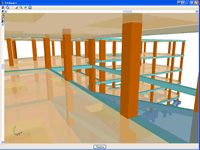 Възможно
е придвижване във вътрешността на конструкцията с пълна свобода, използвайки
изгледа в перспектива. В 3D изгледа, плочите и стените притежават известна
прозрачност, която спомага онагледяването на онези елементи, които остават
скрити.
Възможно
е придвижване във вътрешността на конструкцията с пълна свобода, използвайки
изгледа в перспектива. В 3D изгледа, плочите и стените притежават известна
прозрачност, която спомага онагледяването на онези елементи, които остават
скрити.
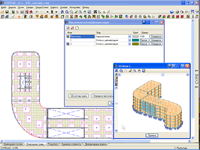
Може да се въвеждат хоризонтални или наклонени плочи. Въвеждането на последните е много опростено, тъй като само трябва да дефинирате наклонените равнини или по 3 техни точки, по права и наклон или по правата, определяща максималния наклон. Впоследствие се задават на предварително въведените, като хоризонтални полета, избягвайки по този начин сложното въвеждане в режим 3Д.
Възможно е копирането на цялата геометрия на един етаж върху друг и също характеристиките на едно поле (включително точката на преминаване) върху друго на същия или на други етажи.
Интегрирани 3Д конструкции. Обединението на CYPECAD с Метал 3Д
 |
 |
 |
 |
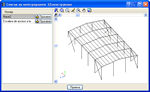
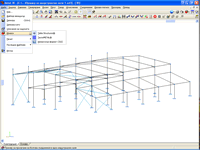
CYPECAD и Метал 3Д са свързани посредством интегрирани 3Д конструкции, което позволява включване в CYPECAD на една конструкция със същите предпоставки при изчислението, които има Метал 3Д.
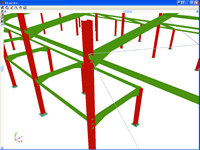
Интегрираната 3Д конструкция е метална конструкция (стомана или алуминий) или дървена, формирана от възли и пръти с шест степени на свобода, която се включва и свързва с основната конструкция на сградата, управлявана от CYPECAD.
Интегрирани 3Д конструкции на CYPECAD не е модул на програмата: за да се дефинират е достатъчно да разполагате с права за използване на CYPECAD и Метал 3Д в лицензния договор. Възможно е да се добавят няколко интегрирани 3Д конструкции в една задача от CYPECAD.
Всяка интегрирана 3Д конструкция е свързана с конструкцията в CYPECAD посредством съединенията, които могат да се разположат върху следните елементи от CYPECAD: колони, начала (под които впоследствие може да се дефинира фундамент или пилотна възглавница), греди, плътни или касетирани плочи или фундаментни плочи и греди.
CYPECAD дава възможност за въвеждане на интегрирана 3Д конструкция по два начина:
- Създавайки директно в CYPECAD на нова задача от Метал 3Д.
- Внасяйки задача от Метал 3Д във съществуваща вече задача от CYPECAD или в нова такава.
Чрез интегрирани 3Д конструкции, CYPECAD също се обогатява с модули изключителни за Метал 3Д. В раздела Модули на CYPECAD са показани: изключителните за CYPECAD, общите с Метал 3Д и изключителните за Метал 3Д, които могат да се използват в интегрирани 3Д конструкции на CYPECAD.
Анализът на вътрешните усилия се извършва посредством пространствен 3Д анализ, с матрични методи на коравина, включвайки всички елементи, които дефинират конструкцията: колони, стоманобетонни шайби, стени, греди и плочи. След изчислението може да прегледате грешките в различните елементи.
От главното меню на програмите CYPE или от падащият списък Помощ на CYPECAD можете да прегледате ръководството за работа CYPECAD - Изчисления,където ще намерите подробна информация за извършения от CYPECAD анализ.Сеизмичното изчисление се базира на пълен модален спектрален анализ, който разглежда всяка форма, като едно съчетание и извършва модална експанзия y модалната комбинация за получаването на усилията.
От главното меню на програмите CYPE или от падащият списък Помощ на CYPECAD можете да прегледате ръководството CYPECAD – Изчисления,където ще намерите повече информация за извършения сеизмичен анализ от CYPECAD.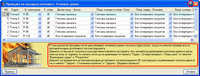
С модула Проверка на огнеустойчивост, CYPECAD извършва проверката на огнеустойчивост и оразмерява защитното покритие на конструктивните елементи от стомана и бетон, които формират задачата (греди, плочи, колони, шайби и бетонни стени; стоманени греди и колони; и стоманени пръти на интегрираните 3Д конструкции) за нормите CTE DB-SI 6 и Еврокод (EN 1992-1-2:2004 и EN 1993-1-2:2005). За стените от бетонови блокчета и за комбинираните плочи, CYPECAD не извършва проверка на огнеустойчивост.
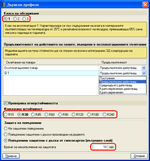
Проверката на огнеустойчивост за дървените конструктивни елементи в Интегрирани 3Д конструкции на CYPECAD се извършва от един отделен модул: модулът Дървени профили (общ за Метал 3Д и Интегрирани 3Д конструкции на CYPECAD). Този модул оразмерява дървените сечения на въздействията от пожар за да удовлетворят избраните норми (CTE DB-SE M –Испания-, NBR 7190 или Еврокод 5).
Съединения – заварени и болтови
Модулите за съединения на CYPE (Съединения I Заварени Халета с валцовани и заварени двойно T профили , Съединения II Болтови Халета с валцовани и заварени двойно T профили, Съединения III Заварени Рамки в сградостроителството с валцовани и заварени двойно T профили и Съединения III Заварени Рамки в сградастройтелството с валцовани и заварени двойно T профили) могат да се използват както от CYPECAD, така и от Метал 3Д (включително от интегрирани 3Д конструкции на CYPECAD).
Типологията на решените с модулите Съединения I и Съединения II съединения, има голямо поле на приложение в халетата, проектирани с Метал 3Д и с Интегрирани 3Д конструкции на CYPECAD, докато типологията на съединенията, които оразмеряват модулите Съединения III и Съединения IV имат поле на приложение повече в конструкциите от сградостроителството, формирани от рамки, които се изчисляват със CYPECAD. Във всички случаи, всяко съединение оразмерено от който и да е от споменатите модули се решава по същия начин от една програма, както и от друга. Дефакто, модулите Съединения I, Съединения II, Съединения III и Съединения IV имат общи видове съединения.
Във всяка една от следващите връзки може да намерите широка информация за характеристиките на тези модули: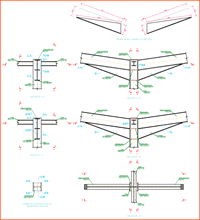
- Съединения I Заварени Халета с валцовани и заварени двойно
T профили
- Норми, по които е възможно изчислението на заварени съединения
- Типология на приложените заварени съединения
- Опции за изчисление
- Оразмеряване на заварени съединения
- Преглед на заварени съединения
- Анкерни плочи оразмерени с модула Съединения I
- Записки за заварени съединения
- Чертежи на заварени съединения
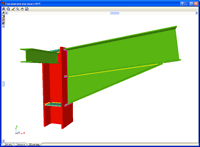
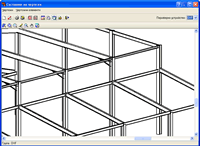
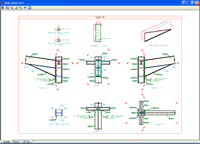
- Съединения
II Болтови Халета с валцовани и заварени двойно T профили
- Норми по които е възможно изчислението на болтови съединения
- Типология на приложените болтови съединения
- Изчислителни опции
- Болтови съединения с високоякостни и нормални болтове
- Оразмеряване на болтови съединения
- Преглед на болтови съединения
- Записки за болтови съединения
- Чертежи на болтови съединения
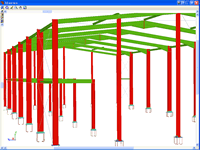
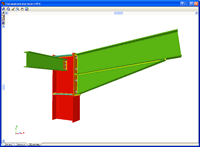
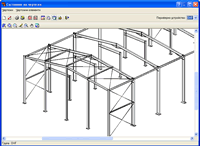
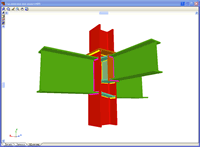
- Съединения
III Заварени Рамки в сградостроителството с валцовани и студено
огънати профили и заварени двойно T профили
- Норми по които е възможно изчислението на заварени съединения
- Типология на реализираните заварени съединения за рамки в сградостроителството
- Изчислителни опции
- Оразмеряване на заварени съединения от сградостроителството
- Преглед на заварени съединения
- Анкерни плочи, оразмерени с модула Съединения III
- Записки за съединения
- Чертежи на заварени съединения
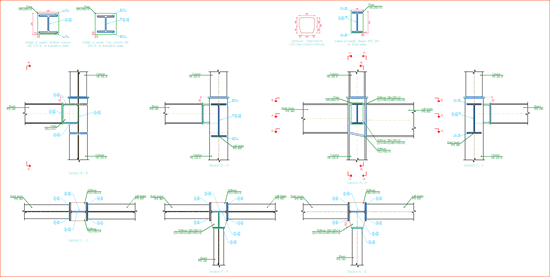
- Съединения
IV Болтови Рамки в сградостроителството с валцовани и студено
огънати двойно T профили
- Норми по които е възможно изчислението на болтови съединения в сградостроителството
- Типология на реализираните болтови съединения в сградостроителството
- Изчислителни опции
- Болтови съединения с нормални и високоякостни болтове
- Оразмеряване на болтови съединения в сградостроителството
- Характеристики на оразмерените болтови съединения
- Преглед на болтовите съединения
- Анкерни плочи, оразмерени с модула Съединения IV
- Записки за съединения
- Чертежи на болтови съединения
CYPECAD и Метал 3Д използват в изчислението на своите конструкции потенциала на мултипроцесорите.
За да използвате тези екстри, CYPECAD и Метал 3Д, разполагат с два общи модула чрез които може да се спести съществена част от времето за изчисление:
- Едновременно изчисление с два процесора
- Едновременно изчисление с четири процесора
Износ в TEKLA® Structures, TecnoMETAL® 4D и CIS/2
Изчислената вече конструкция може да се експортира към програмите TEKLA® Structures и TecnoMETAL® 4D, и в формат CIS/2, колоните, гредите и спецификацията на оразмерените съединения (с модулите Съединения I, Съединения II y Съединения III) на CYPECAD и на неговите Интегрирани 3Д конструкции. Бетоновите колони и греди се изнасят като пръти, които да бъдат определени от потребителят впоследствие а стоманените се изнасят така, както се прави в Метал 3Д. В Износ в TEKLA® Structures, в Износ в TecnoMETAL® 4D и в Износ във формат CIS/2, може да намерите информация за изнесените елементи.
За да можете да изнасяте в TEKLA® Structures, в TecnoMETAL® 4D и във формат CIS/2 колоните и гредите от CYPECAD и от неговите Интегрирани 3Д конструкции, не е необходимо да имате включен в лиценза модулите Износ в Tekla, Износ в TecnoMETAL и Износ във формат CIS/2. Ако Вашият лиценз включва един от тези модули и освен това, модулите Съединения I, Съединения II или Съединения III, също ще можете да изнасяте оразмерените съединения в съответните програми.Разполагате с много инструменти, чрез които можете да проверите всички графични резултати на работния плот.
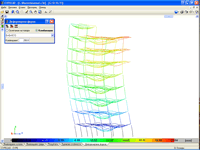 След
изчислението е възможно да се онагледи деформираната форма на
конструкцията в 3Д (със спектрограма), породена от основните
съчетания и от комбинациите на съчетания, включително сеизмичните. Също
е възможно да се наблюдава анимация на процеса на деформация, който
предизвиква избраната комбинация.
След
изчислението е възможно да се онагледи деформираната форма на
конструкцията в 3Д (със спектрограма), породена от основните
съчетания и от комбинациите на съчетания, включително сеизмичните. Също
е възможно да се наблюдава анимация на процеса на деформация, който
предизвиква избраната комбинация.
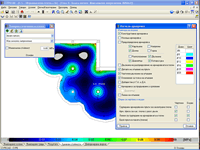 Преместванията,
усилията, комбинациите на усилия и процентите на армиране на плътни,
фундаментни и касетирани плочи могат да се представят като диаграми на изостойности (цветни
графики, в които всеки цвят представлява една стойност) и като диаграми
на изолинии (криви, които съединяват геометрични точки
със еднаква стойност).
Преместванията,
усилията, комбинациите на усилия и процентите на армиране на плътни,
фундаментни и касетирани плочи могат да се представят като диаграми на изостойности (цветни
графики, в които всеки цвят представлява една стойност) и като диаграми
на изолинии (криви, които съединяват геометрични точки
със еднаква стойност).
Осъществен е също графична консултация на еволвенти на усилия, провисване, и т.н.
Можете да редактирате армировката на всички елементи с последващата проверка във фундаментите, фундаментните възглавници, греди, колони и ребрени подове.
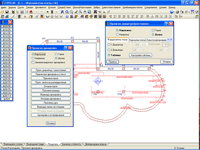 С редактор
на армировка на греди ще получите пълното визуализиране на
рамката и ще можете да редактирате графично резултатите, да добавяте,
изтривате, съединявате, разделяте надлъжни армировъчни пръти и стремена,
така както и да променяте дължините им и куките.
С редактор
на армировка на греди ще получите пълното визуализиране на
рамката и ще можете да редактирате графично резултатите, да добавяте,
изтривате, съединявате, разделяте надлъжни армировъчни пръти и стремена,
така както и да променяте дължините им и куките.
Възможно е да копирате от рамките на същия или от тези на друг етаж, да групирате рамки на същия етаж преди и след изчислението.
Възможно е да уеднаквите автоматично отрицателната армировка на ребрените подове, съблюдавайки критериите за дължини или проценти на армиране и дължини. По този начин получавате по-еднотипна армировка, съответно и по-лесна за изпълнение.
Редактиране на армировката на касетирани и плътни плочи чрез преглед на таблиците армировка по време на редакцията. Може да копирате армировката от един етаж на друг, да променяте геометрията след изчислението и да въвеждате армировка без да изчислявате.
Редактирането на фундаменти, фундаментни възглавници, анкерни плочи, скарови и ивични греди е много мощен инструмент, който дава възможност за проверката на каква да е геометрия и армировка, дефинирана от потребителя. Дава възможност да се получат записките с всички извършени проверки в основите и да се изследва степента на тяхното удовлетворение.
Възможно е уеднаквяване на геометрията, типологията и армировката на фундаменти, фундаментни възглавници, скарови греди, ивични греди и анкерни плочи.
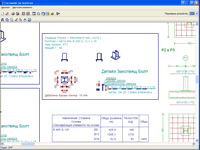 Чертежите
на проекта могат да се конфигурират в различни формати и размери
на листа, било стандартни или дефинирани от потребителя. Освен
това могат да се разпечатят с принтер, плотер или да
се експортират в DXF и DWG формат.
В етажните чертежи има възможност да се включат DXF или DWG файловете,
които са били използвани за дефинирането на задачата. Могат да се интегрират
изцяло или само слоевете, които се изберат, като например стълбите.
Чертежите
на проекта могат да се конфигурират в различни формати и размери
на листа, било стандартни или дефинирани от потребителя. Освен
това могат да се разпечатят с принтер, плотер или да
се експортират в DXF и DWG формат.
В етажните чертежи има възможност да се включат DXF или DWG файловете,
които са били използвани за дефинирането на задачата. Могат да се интегрират
изцяло или само слоевете, които се изберат, като например стълбите.
На етажите на самата задача разполагате с редактор на изчертаването, който
дава възможност да се използват много инструменти: добавяне на коти, текстове, разрези на сградата, конструктивни
детайли в DXF формат, разрези на плочи, промяна разположението на текстове и др. Тези
промени се записват заедно с проекта.
- За повече информация относно Библиотека конструктивни детайли. Наклонени плочи.
- За повече информация относно Библиотека конструктивни детайли за метални, бетонни и комбинирани елементи.
Възможно е да приложите произволен мащаб, дебелина на линиите, размер на текста, заглавна таблица и т.н. Така мажете да персонализирате изцяло оформлението на чертежа.
CYPECAD предлага комплексни и ясни чертежи. Имате възможност да получите монтажни чертежи, етажно разпределение, на основи, на греди, план на колони, армировка в колони и шайби, товари в основи, изглед на стени, армировка в стълби, натоварване, къси конзоли и др. Като опция е включена възможността за добавяне на таблици със спецификации на елементи и армировка. Могат да се конфигурират, така че всеки потребител да получи чертежи съгласно своите предпочитания. CYPECAD разполага с редактор, който дава възможност да се преместват текстове по време на визуализацията на чертежите на работния плот.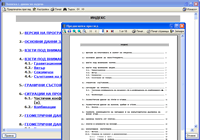
С голяма лекота ще получите записката с всички въведени данни и с резултатите: записка с данни на задачата, комбинации използвани в изчислението, за основите, къси конзоли, еволвенти, армировки и спецификация на всички елементи, проценти на армиране за задачата, хоризонтални товари от вятър, коефициент на разпределение на изчислителното сеизмично натоварване, ефекти от втори ред и др.
Всичко това се показва на работния плот или се разпечатва от принтера, но също е възможно да се запази като HTML, DXF, DWG, RTF, PDF и т.н. файлове.
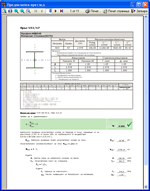
Подробна записка на проверките по крайни гранични състояния
CYPECAD, Метал 3Д и Интегрирани 3Д конструкции на CYPECAD генерират подробни
записки на проверките по крайни гранични състояния за стоманени профили.
Тези записки съдържат всичките осъществени от програмата проверки за да се оразмерят профилите
и представляват важен документ с който потребителят може:
- Да контролира оразмеряването на профилите.
- Да оптимизира оразмеряването на профилите.
Подробността на тези записки също представлява един дидактичен инструмент, който позволява на потребителят да се запознае със проверките на които е подложен профила.
Генериране и експорт на количествена сметка и бюджет на изчислената със CYPECAD конструкция
Бюджетът и количествената сметка на изчислената със CYPECAD конструкция може да се генерира и експортира към външни програми за визуализиране или за управление и контрол на строителния процес или в стандартния формат FIEBDC-3. По този начин може да се редактира и печати бюджетът на изчислената със CYPECAD конструкция в коя да е програма предназначена за това, което предполага много спестено време за реализацията на бюджета на задачата. В Дефиниция на формата за стандартна размяна на бази данни можете да намерите повече информация относно генерирането на бюджетът на една задача в CYPECAD.
- Измерени количества и експортирани елементи
- Начин на експортиране на количества и бюджет
- Необходими разрешителни от лиценза за експорт на количества и бюджет
Отличителни характеристики на CYPECAD
Автоматично въвеждане на задачи. С модула Автоматично въвеждане на задачи: DXF, DWG и CAD/BIM модели на CYPECAD, разполагате с две опции, които дават възможност автоматично да се генерира конструкцията чрез внос на IFC файлове, генерирани от основните CAD/BIM програми (Allplan®, Archicad®, Revit® Architecture); или чрез интерпретация на DXF и DWG файлове.
Голяма изчислителна мощ. Получавате инверсията на общата матрица на коравината на конструкциите за възможно най-кратко време благодарение на методите за третиране на основите и на решаването на системата уравнения с директни числени методи. Без ограничение на възлите, в обичайната практика.
Сеизмичен анализ. Комплексен модален спектрален анализ, който решава всяка форма като едно товарно съчетание и осъществява модалната експанзия и модалните комбинации за получаването на усилията; всичко това без необходимост от създаване на еквивалентни статични сеизмични сили, каквато е практиката при опростения метод, който използват други.
Персонализирано изчисление. Разполага с много опции за изчислението и за армиране, което дава възможност за по-адекватни решения. В допълнение, за всеки конструктивен елемент и всяка армировка може да се определят различни персонализирани таблици армировка.
Може да персонализирате чертежи спрямо нуждите ви, тъй като програмата дава възможност за конфигуриране на всички слоеве и елементи на чертежа, както и да генерира DXF, DWG файлове, принтер и плотер.
Визуализация на основите. Фундаментите и пилотните възглавници дават възможност за разполагане върху всеки елемент от основите на различни вертикални конструктивни елементи, било то от един единствен вид или комбинирайки колони, шайби и участъци от стени.
В основи може да разполагате гредоскари в произволно направление и да променяте закрепването в края на гредите, които ги съставят.
Мощен редактор на армировка. За всички оразмерени елементи, може да редактирате армировката им и да променяте размерите им с множество инструменти, които подпомагат задачата.
Пълни чертежи. Дават се много пълни работни чертежи на конструкциите с възможност за намеса в създаването им, включване на конструктивни детайли, DXF, DWG, заглавни таблици, таблици за спецификации и др., и по този начин чертежите стават по-точни и прецизни за изпълнението на строежа.
Износ в TEKLA® Structures и
в TecnoMETAL ® 4D и
във формат CIS/2.
Програмата разполага с допълнителни модули, общи за CYPECAD и Метал 3Д,
които дават възможност за експорт в TEKLA Structures, в TecnoMETAL 4D
и във формат CIS/2 на интегрираните 3Д конструкции.
Повече от 1.100 детайла влизат в
обширната библиотека с конструктивни детайли за метални,
бетонови, комбинирани и наклонени плочи са налични
за включване в чертежите, генерирани от програмата.
- За повече информация относно Библиотека конструктивни детайли. Наклонени плочи.
- За повече информация относно Библиотека конструктивни детайли за метални, бетонни и комбинирани елементи.
Надеждност на изчислението. Повече от 50.000 професионалисти, потребители на нашите програми се доверяват на получените резултати. Техният опит и преданост са най-добрата гаранция, която можем да предложим.
Свържете
се с нашия търговски
отдел или с оторизираният
дистрибутор на продуктите на CYPE за да получите информация за
наличните национални
и интернационални норми налични за тази програма и за
съответните цени.
И не забравяйте че нашите експерти от отделите за техническа
поддръжка и гаранционно
обслужване предлагат всички допълнителни услуги, от които
бихте могли да се нуждаете.
CYPECAD се предлага в две версии, CYPECAD и CYPECAD LT. Двете версии се състоят от различни модули, които дават възможност да развиете всички функции на програмата. Тези модули могат да се добият заедно или в комбинации между тях.
Интегрираните 3Д конструкции на CYPECAD не е модул на програмата. За да се дефинират такива в CYPECAD е необходимо в лицензния договор да разполагате с права за използване на Метал 3Д. Ако освен това разполагате с права да използвате и модула за дървени профили на Метал 3Д, ще можете да дефинирате дървени 3D конструкции, интегрирани в CYPECAD.
CYPECAD заедно с всичките си модули представлява пълната версия на програмата.
CYPECAD LT е ограничена версия на програмата, но въпреки това разполага със същите инструменти и възможности за добавяне на модули, като CYPECAD. Със CYPECAD LT могат да се изчисляват конструкции, които не надхвърлят следните условия:
- Тридесет колони.
- Четири групи етажи. (Групи етажи: еднакви етажи и последователни).
- До пет етажа като цяло.
- Сто линейни метра стена.
По долу са изброени модулите, които могат да се закупят заедно със CYPECAD или CYPECAD LT:
- Стоманобетонни колони
- Стоманобетонни греди
- Метални колони
- Метални греди
- Еднопосочни плочи (определени от потребителя бетонни ребра)
- Ребрени подове “монолитни”, сглобяеми и метални (необходим е модулът Еднопосочни плочи)
- Касетирани плочи
- Плътни плочи
- Комбинирани плочи
- Олекотени плочи
- Шайби
- Стени за сгради
- Стълбища
- Фундаментни плочи и греди
- Стени от бетонови блокчета
- Пилотни възглавници (съдържа скарови и ивични греди) (1)
- Фундаменти (единични и ивични) (съдържа скарови и ивични греди) (1)
- Базови плочки (1)
- Автоматично въвеждане на задачи
- Проверка на огнеустойчивост (2)
- Едновременно изчисление с два процесора (2)
- Едновременно изчисление с четири процесора (2)
- Интегрирани 3Д конструкции (Активира се при закупуването на Метал 3Д)
- Алуминиеви профили (3)
- Дървени профили (3)
- Съединения I. Заварени. Халета с валцовани и заварени двойно T профили (2)
- Съединения II. Болтови. Халета с валцовани и заварени двойно T профили (2)
- Съединения III, Заварени – Рамки в сградостроителството с валцовани и заварени двойно T профили (2)
- Съединения IV, Болтови – Рамки в сградостроителството с валцовани и заварени двойно T профили (2)
- Експорт към TEKLA (2)
- Експорт към TecnoMETAL (2)
- Експорт във формат CIS/2 (2)
(1) Модули общи за CYPECAD и Метал 3Д
(2) Модули общи за CYPECAD, Интегрирани 3Д конструкции на CYPECAD и Метал 3Д
(3) Модули общи за Интегрирани 3Д конструкции на CYPECAD и Метал 3Д